


For decades, nations that embraced transformative assets early—whether coal, steel, or gold—secured strategic advantages that shaped global power structures. Today, Bitcoin is emerging as the next candidate for this role. Once dismissed as speculative, it is now entering serious policy discussions. In 2026, the question is no longer if governments will hold Bitcoin, but how much and under what framework.
Why Bitcoin Is Becoming Strategic
Bitcoin’s appeal lies in its unique characteristics:
- Scarcity: A hard cap of 21 million coins ensures predictable supply.
- Decentralization: No single authority controls it, reducing geopolitical risk.
- Portability and Liquidity: Unlike gold, Bitcoin can move across borders instantly and trades 24/7.
These features make Bitcoin attractive as:
- An inflation hedge in an era of persistent monetary easing.
- A geopolitical tool for countries seeking independence from the U.S. dollar.
- A superior alternative to gold, offering divisibility and digital transferability.
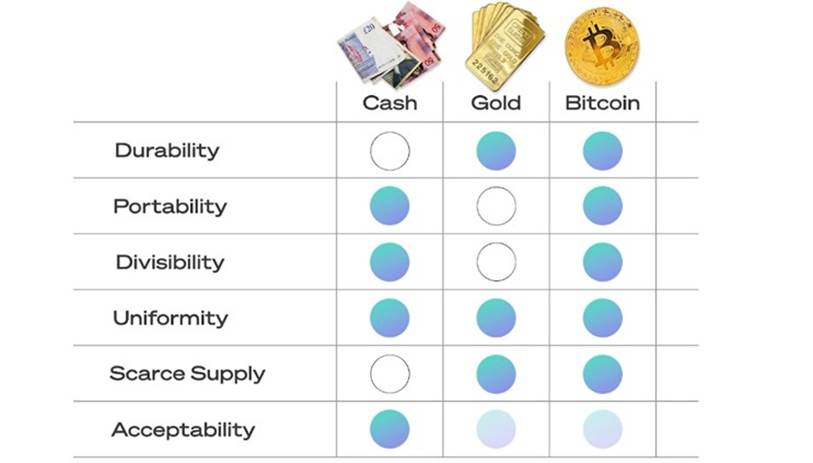
Source: Newton
Global Momentum in 2026
United States
The U.S. has taken concrete steps toward Bitcoin adoption:
- Congress passed H.R. 5166, requiring a feasibility report on a Strategic Bitcoin Reserve.
- The government already holds ~198,000 BTC, mostly from forfeitures, and is exploring tax payments in Bitcoin.
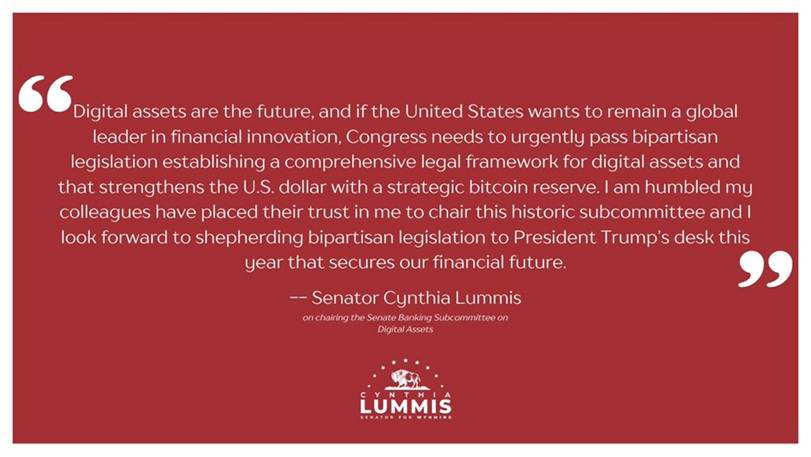
- Senator Cynthia Lummis’ BITCOIN Act proposes acquiring 1 million BTC over five years, with a 20-year minimum holding period.
El Salvador
The pioneer nation continues its daily Bitcoin purchase strategy, now holding ~7,474 BTC worth nearly $700M. It recently improved security by redistributing reserves across multiple wallets, signaling maturity in sovereign crypto management.
Switzerland
A constitutional initiative seeks to mandate the Swiss National Bank to hold Bitcoin alongside gold. Advocates must collect 100,000 signatures by June 2026 to trigger a referendum. Public sentiment is warming, though the SNB remains cautious.
BRICS Nations
Brazil is considering RESBit, a Bitcoin reserve allocating up to 5% of its budget (~$19B). Russia and China explore Bitcoin for trade settlement and sanctions circumvention, while pushing for a BRICS digital currency by 2026.
European Union
The ECB maintains strict opposition, citing volatility and lack of intrinsic value. Instead, the EU focuses on its Digital Euro, while some member states (e.g., Czech Republic, Poland) explore Bitcoin independently.
Strategic Benefits
- Debt Reduction: U.S. models suggest a 1M BTC reserve could cut national debt by 35% by 2049.
- Diversification: Bitcoin’s correlation with major assets remains low (<0.2), making it a strong portfolio diversifier.
- Geopolitical Leverage: Enables nations to bypass SWIFT and reduce reliance on the U.S. dollar.
- Institutional Legitimacy: Spot Bitcoin ETFs and regulatory clarity have injected $100B+ liquidity since 2024, reinforcing Bitcoin’s role as a macro hedge.
Challenges Ahead
- Volatility: Bitcoin remains 3–4x more volatile than gold, despite maturing markets.
- Regulatory Fragmentation: Global standards are uneven; custody and cybersecurity remain critical concerns.
- Scalability: Transaction throughput still lags behind traditional payment systems.
The Big Picture
2026 marks a turning point: 27 nations now have some level of Bitcoin exposure, and legislative momentum is accelerating. If the U.S. or a major BRICS economy formalizes a Bitcoin reserve, expect a domino effect reshaping global finance.
Implications for Investors:
Institutional and sovereign adoption could reshape Bitcoin’s trajectory dramatically. As ARK Invest CEO Cathie Wood recently reaffirmed, despite trimming her forecast slightly, she still expects Bitcoin to reach $1.2 million by 2030, citing its scarcity and growing role as a global store of value:
“Bitcoin is still strengthening its role as a global store of value… We have just started, so we have a long way to go.”